
If you had told me three years ago that I’d be completely debt-free in 2026, I would have laughed. I was drowning in $30,000 of credit card and personal loan debt, working two jobs, and still feeling like I was barely treading water. I remember staring at my credit card statement one night, feeling physically sick. It wasn’t just the number—it was the shame, the stress, and the hopelessness that came with it. But today, I’m on the other side. I paid off every last cent, and I didn’t win the lottery or inherit money. I just got strategic, honest, and a little bit scrappy. Here’s exactly how I did it—and how you can too.
1. Facing the Monster: I Added Up Every Dime I Owed
The first step was the hardest. I sat down with a notebook and listed every debt: credit cards, a car loan, a personal loan from a failed business idea. The total came to $30,247. I cried. But then I got angry—angry enough to change. I wrote that number on a sticky note and put it on my bathroom mirror. I had to see it every day. That accountability became my fuel.
If you’re avoiding your own numbers, stop. You can’t fight what you don’t measure. Open every statement, log into every account, and write it down. It’s scary, but it’s the only way out.
2. I Built a Budget That Actually Worked (Without Hating My Life)
I’d tried budgeting apps before, but I always gave up because they felt like a punishment. This time, I flipped the script. Instead of focusing on what I couldn’t spend, I built a “paycheck plan” that prioritized my freedom. I used a simple spreadsheet—nothing fancy—and later upgraded to [AFFILIATE_LINK:budgeting apps] that synced with my bank accounts. The goal was awareness, not restriction.

The 50/30/20 Rule (Modified for Debt Crushers)
I started with the classic 50/30/20 rule: 50% for needs, 30% for wants, 20% for savings/debt. But with $30k looming, I flipped wants and debt. I lived on 50% needs, 20% wants (enough to stay sane), and threw 30% straight at debt. Every single month. It wasn’t always fun, but I tracked every coffee, every subscription, every impulse buy. That clarity let me redirect over $800 a month I didn’t know I was wasting.
A practical tip: I switched to cash for groceries and entertainment. When the envelope was empty, I was done. It was uncomfortable but incredibly effective. You can’t overspend what you don’t have in your wallet.
3. I Turned My Career Into a Cash Machine
This might sound odd in a “career advice” article, but the biggest breakthrough came when I started treating my job like a client. I was a marketing coordinator at the time, making $48,000. I realized if I wanted to pay off debt faster, I needed to earn more—not just cut more. So I got strategic.
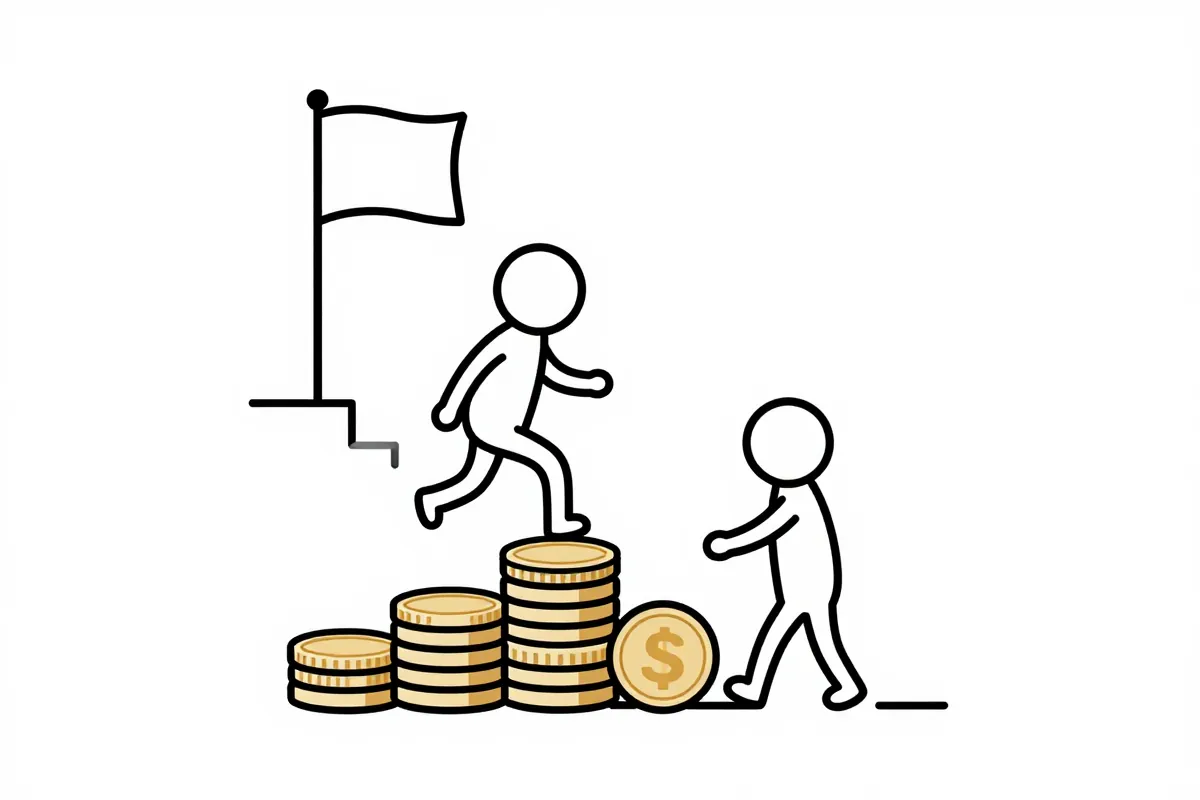
First, I asked for a raise. I documented my wins, researched salary data for 2024/2025, and scheduled the conversation. I was terrified. But I walked out with an 11% increase. That extra $400 a month went straight to debt. If you’re nervous about asking, check out free negotiation scripts on sites like Ask a Manager—they were a lifesaver.
Side Hustles That Didn’t Burn Me Out
After the raise, I still needed more firepower. I tested side hustles until I found two that fit my life: freelance proofreading on weekends and dog walking through a local app. Neither was glamorous, but together they added $600–$800 a month. I treated that income as “debt money”—it never touched my regular checking account.
The key was choosing hustles that didn’t exhaust me. I knew myself: I’m an introvert, so driving for a ride-share would have drained me. Instead, I leveraged skills I already had. What can you do in 5–10 hours a week that pays decently? Graphic design, tutoring, virtual assistant work, selling digital products—the gig economy in 2026 has endless options.
4. The Debt Snowball Method (and Why I’ll Never Shut Up About It)
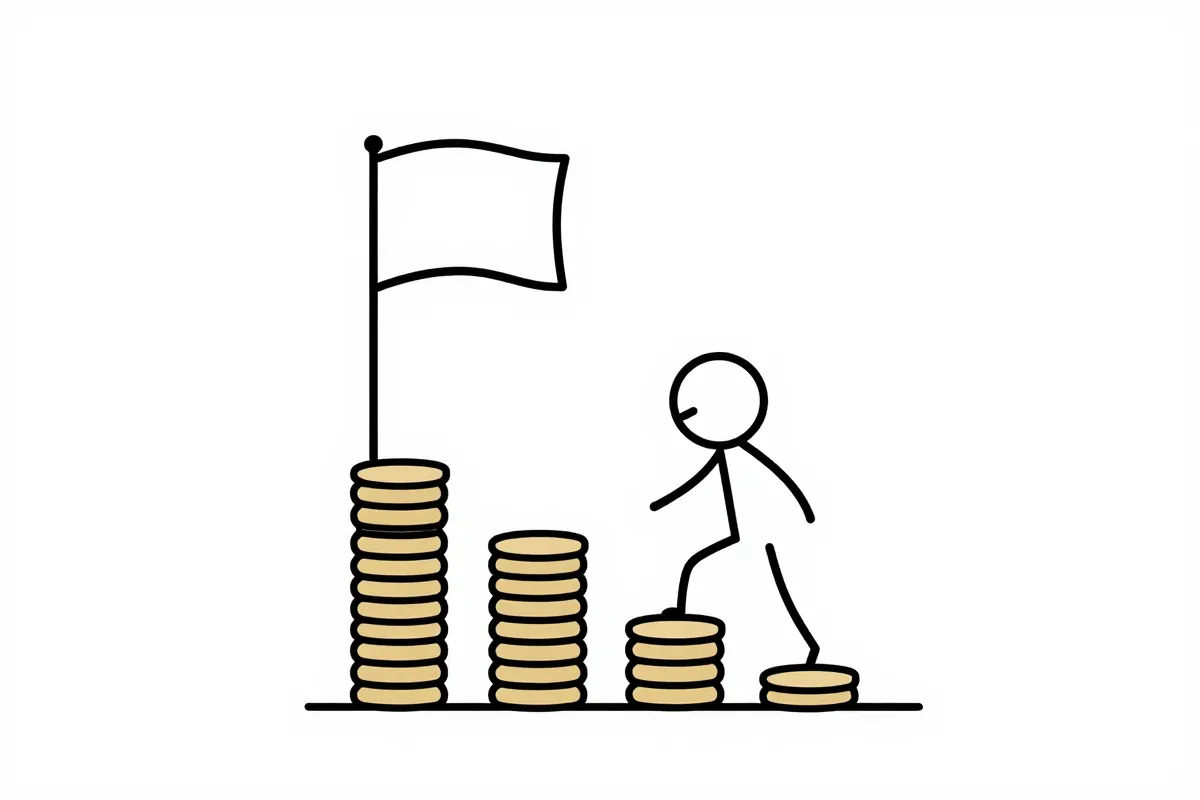
I’d read about avalanche vs. snowball methods, but the math mattered less than my motivation. I needed quick wins. So I used the debt snowball: I listed debts smallest to largest, ignoring interest rates, and attacked the tiniest one first. My first win was a $600 medical bill. When I paid that off, I literally danced in my kitchen. That tiny victory gave me momentum to tackle the next.
I automated all minimum payments, then threw every extra dollar at the smallest balance until it was gone. Then I rolled that payment onto the next debt. Rinse and repeat. It took 28 months. Slow and steady, but I never missed a payment because I was obsessed with crossing numbers off my list.
If you want a done-for-you debt snowball tracker, I created a simple spreadsheet that calculates your payoff date automatically. It’s the exact one I used. Grab it here.
5. The Emotional Side Nobody Talks About
Paying off debt isn’t just a math problem. It’s an emotional marathon. I had to confront my money scripts: why did I impulse-buy clothes when I felt anxious? Why did I avoid checking my bank balance? I started journaling after each paycheck and noticed patterns. I also found a free support group on Reddit (r/debtfree) where strangers cheered me on. That community kept me sane.
I also gave myself permission to celebrate—without spending. When I hit $10k paid off, I took a hike with friends and packed a picnic. When I hit $20k, I watched my favorite movie with homemade popcorn. Small joys that didn’t add to the pile. You need those moments to avoid burnout.
Life After Debt in 2026: What’s Different
Today, I have an emergency fund, I’m investing 15% of my income, and I no longer have panic attacks over car repairs. I still use a budget—but now it’s for building wealth, not breaking even. The biggest shift? I trust myself with money. I know I can set a goal and reach it, even when it feels impossible.
If you’re starting where I was, please know: you are not your debt. You are not a failure. You just need a plan, some patience, and the willingness to get a little uncomfortable. Start tonight. Add up your total. Pick one small action—cancel a subscription, sell something, ask about a raise—and do it before bed. You’ll be one step closer to freedom.
Sources
- NerdWallet – How to Pay Off Debt Fast
- Bankrate – Debt Snowball vs. Avalanche
- Federal Trade Commission – How to Get Out of Debt