
You stare at the pile of credit card bills, student loan statements, and that car payment reminder. The total feels like a mountain you’ll never climb. I’ve been there – feeling sick to my stomach every time the mail arrived. But here’s the truth: With the right debt payoff plan, you can crush that mountain faster than you think. In 2026, smarter tools and strategies make it even easier. Let’s build a plan that actually sticks.
Why Most Debt Payoff Plans Fail
Most people jump into repayment without a clear map. They promise themselves they’ll “pay extra when they can.” Spoiler: those months rarely come. A wobbly plan leads to missed payments, higher interest costs, and burnout.
Another trap? Using the wrong strategy for your personality. Some people need quick wins to stay motivated. Others want to save every dollar of interest. If your method doesn’t match your brain, you’ll quit. That’s why a custom debt payoff plan matters so much.
Finally, many plans ignore real life. Your car breaks down. A medical bill hits. Without a tiny emergency fund, you’ll swipe a credit card and undo progress. We’ll fix these mistakes starting right now.
Step 1: Face Your Debt Head-On
You can’t fix what you don’t measure. I once coached a friend who thought she owed about $18,000. After digging through statements, the real number was $27,400. She cried. Then we built a plan and she paid it all off in 22 months. Facing the truth stings, but it’s the first power move.
Gather Every Statement
Log into every account: credit cards, personal loans, medical bills, student loans, car notes, even money borrowed from family. Print or save the latest statement for each debt. Write down:
The creditor’s name
Total balance owed
Minimum monthly payment
Interest rate (APR)
Put it all in a simple spreadsheet or a notebook. This list becomes the backbone of your debt payoff plan. No more guessing.
Calculate Your Total Debt
Add up every balance. Yes, the big scary number. Take a deep breath. Now you know exactly what you’re fighting. In 2026, the average U.S. household with credit card debt carries over $7,000, and many have much more. You’re not alone. This total helps you set a realistic timeline and celebrate milestones.
Step 2: Choose Your Debt Payoff Strategy
There are two proven methods. Both work well, but they feel very different. Pick the one that fires you up.
The Debt Snowball Method
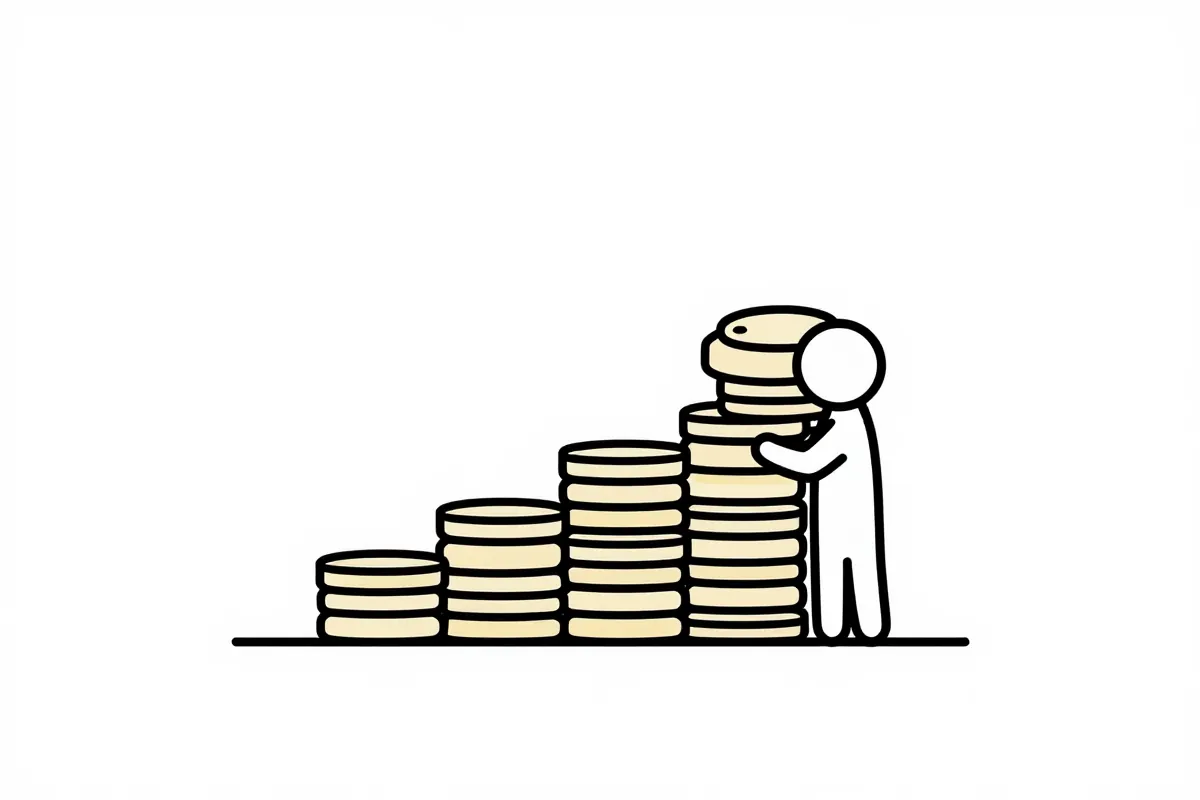
You list debts from smallest balance to largest (ignoring interest rates). Pay minimums on everything except the smallest. Throw every extra dollar at that tiny balance until it’s gone. Then roll that payment into the next smallest debt. The quick wins create momentum – like a snowball rolling downhill.
Example: You have a $500 doctor bill, a $2,000 credit card, and a $15,000 car loan. You attack the $500 bill first. In two months, it’s dead. That victory shout keeps you going.
The Debt Avalanche Method
List debts from highest interest rate to lowest. Pay minimums on all but the highest-rate debt. Throw extra cash at that expensive debt first. Mathematically, this saves the most money. But you might not see a “win” for months if the balance is big.
Avalanche often works best if you’re super logical and patient. Snowball wins for people who need emotional fuel. Neither is wrong. Just choose and commit.
Step 3: Build Your Debt Payoff Plan in 3 Simple Movements
Now turn that strategy into weekly actions. Here’s the practical framework I’ve used with dozens of people.
Set a Realistic Budget
A budget isn’t a punishment. It’s permission to spend on what matters. Start with your monthly take-home pay. Subtract essential costs: rent, utilities, groceries, transportation. Then look at what’s left. That’s your weapon against debt.
If the leftover amount feels tiny, don’t panic. Even $100 extra per month can slash a $2,000 credit card debt in under two years. I started my own debt payoff plan with just $75 extra per month. Every dollar counts.
Find Extra Money Without a Second Job
Small levers create big change. Here are moves that work in 2026:
Negotiate bills: Call internet, phone, and insurance providers. Many cut rates simply because you asked.
Sell clutter: Old phones, unused furniture, clothes on resale apps. One client cleared $1,300 in two weeks.
Pause subscriptions: Rotate streaming services instead of keeping all. The average family saves $40/month.
Cash-back apps: Use free tools that give you money back on groceries – every penny goes to your debt.
Apply every freed-up dollar to your focus debt. No lifestyle inflation allowed.
Automate Payments to Remove Willpower
Set up automatic transfers to your accounts the day after payday. Schedule the minimum payments on all debts, then a separate automatic “extra payment” to your target debt. When it’s automatic, you can’t talk yourself out of it. The plan runs on autopilot.
Many banks and apps in 2026 let you create multiple savings buckets or even round up purchases and send the spare change to debt. Lean into tech.
Real-Life Example: How Sarah Paid Off $32,000 in 18 Months
Sarah, a teacher in Austin, felt buried under student loans, credit cards, and a personal loan. She used the snowball method because she needed fast victories. First, she sold her second car – a decade-old SUV she rarely drove – netting $4,800. That wiped out two small credit cards instantly.
Then she cut dining out from $400 to $100 per month, saving $300 extra. She picked up trivia night hosting once a week, adding $600 monthly. All of this followed her debt payoff plan. She tracked progress on a fridge chart and colored squares every $500 paid. In 18 months, she made her last payment and cried happy tears. Sarah’s story isn’t magic – it’s a focused plan plus consistency.
Staying Motivated When It Feels Hard
Around month three, the excitement fades. Here’s how to keep going.
Visual Trackers: Print a coloring chart or use an app that shows your debt shrink. Color a section every time you pay off $100 or $500. That physical act triggers dopamine.
Mini Celebrations: Don’t wait until you’re totally debt-free. When you wipe out one account, have a small treat – a movie night at home, a picnic in the park. Just don’t spend money you’d use for debt.
Accountability Buddy: Share your goal with a trusted friend. Send a quick text each time you make a payment. Knowing someone is watching boosts follow-through.
Remember why you started. Maybe it’s to sleep without anxiety, to save for a house, or to travel without guilt. Write that “why” on a sticky note and put it where you see it daily.
Tools and Resources to Supercharge Your Debt Payoff Plan
In 2026, you don’t have to do this alone. Here are helpful tools:
Budgeting Apps: Many connect to your accounts and track spending automatically. They show you exactly where your money goes.
Debt Payoff Calculators: Free websites let you input your debts and see the snowball vs. avalanche timeline. Seeing the end date is powerful.
Balance Transfer Cards: If your credit score allows, a 0% intro APR card can pause interest for 15–21 months, speeding up repayment. But you must have a plan to pay before the rate jumps.
Nonprofit Credit Counseling: Certified counselors help negotiate lower rates and create a debt management plan. Always choose a reputable, nonprofit agency.
Avoid “quick fix” scams promising to erase debts magically. Real progress takes time and a solid debt payoff plan.
Conclusion: Your Debt-Free Future Starts Today
You now have the complete roadmap. Face your numbers, pick a strategy, automate, and stay motivated. In 2026, a debt-free life isn’t a dream – it’s a mathematical certainty when you follow these steps. I’ve seen people on the edge of bankruptcy turn it all around with a simple, consistent plan. You are that person too.
Start tonight. Grab one statement. Write down one balance. That single act breaks the fear. Then tomorrow, take the next tiny step. Your future self will thank you.
Sources
- NerdWallet Debt Payoff Calculator and Guide (2026)
- Federal Trade Commission – Debt Repayment Snowball Method
- Ramsey Solutions – Snowball vs. Avalanche Debt Repayment
