
Imagine waking up every morning without that heavy knot in your stomach—the one that screams, “You owe money!” That’s exactly how I felt six years ago, staring at a $38,000 mountain of credit card and student loan debt. It seemed impossible. Then I discovered that debt repayment plans aren’t just lists; they’re roadmaps to freedom. In 2026, with interest rates still high and living costs squeezing budgets, choosing the right plan matters more than ever. Whether you’re drowning in plastic or chipping away at a mortgage, this guide will walk you through the 7 best strategies, share real-life wins, and help you pick the one that fits your life—not the other way around.
Why Your 2026 Debt Strategy Needs a Refresh
The economy has shifted. The average credit card APR now hovers around 23%, and even federal student loans are back in full repayment mode. Generic advice from three years ago won’t cut it. A smart debt repayment plan in 2026 must consider your personal cash flow, emotional triggers, and the sheer speed at which inflation eats away extra payments. The good news? You don’t have to figure it out alone. I’ve vetted these methods with financial counselors and everyday people just like you.
Before we dive in, grab a notebook. Write down your total debt, minimum payments, and interest rates. That one act will make the next 10 minutes of reading 10x more productive.
1. The Debt Snowball: Quick Wins for Motivation
This method, championed by personal finance guru Dave Ramsey, focuses on psychology over math. You list all debts from smallest balance to largest, ignoring the interest rate. Pay minimums on everything, but throw every extra dollar at the tiniest debt first.
Why does it work? Small victories create a dopamine hit. Paying off a $500 medical bill in two months feels like a rocket launch; you’ll want to repeat it. My friend Maria used this plan in 2025. She had five credit card debts ranging from $600 to $7,000. By attacking the $600 one first, she gained confidence and paid off $11,000 in 14 months—even on a barista’s salary.
Pros and Cons of Snowball in 2026
Pros: High motivation, simple to execute, great for people who need visible progress.
Cons: You might pay more in interest over time compared to the avalanche method.

If you struggle with sticking to plans, this might be your golden ticket.
2. The Debt Avalanche: Math-Optimized Savings
The avalanche flips the script: you rank debts by interest rate, highest first. Pay minimums on all but channel every spare cent toward the costliest debt (often a credit card with 28% APR).
Mathematically, you’ll pay less interest and get out of debt faster than with the snowball—provided you stay disciplined. I used a hybrid approach in 2024-2025. My highest-rate card was 26% on $6,800. After crushing that one first, I saved nearly $1,200 in interest. However, the initial slog felt lonely because the balance barely budged for months.
If you’re data-driven and can handle delayed gratification, the avalanche is your best bet among debt repayment plans.
3. Balance Transfer Credit Cards: A 0% Lifeline
Here’s a tactical move, not a long-term plan. In 2026, several cards offer 0% intro APR for 15-21 months on balance transfers. You move high-interest debt onto one card and agressively pay it down before the promo ends.
Example: Tom had $9,000 on a card at 24%. He opened a Chase Slate Edge card with 0% for 18 months and a 3% transfer fee. He paid $500 monthly, clearing the debt in 18 months for just a $270 fee—instead of the $2,160 in interest he would’ve paid. The caveat? You need good credit (680+) and the discipline not to add new charges.
Smart Balance Transfer Rules
Always calculate the transfer fee (3-5%)—it’s interest in disguise.
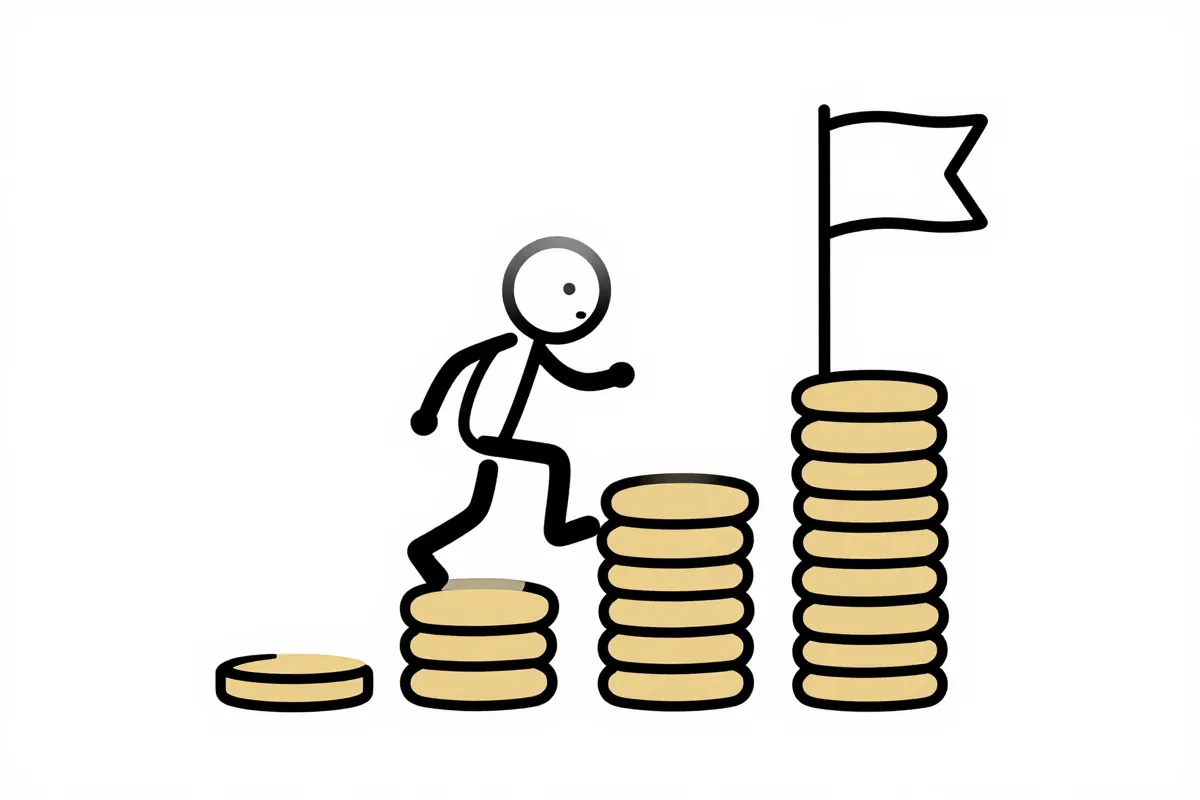
Aim to pay off the balance during the 0% window.
Treat this as a debt repayment plan component, not a full solution.
For many, this is a powerful kickstart.
4. Debt Consolidation Loans: Simplify and Save
A personal loan with a lower fixed rate can combine multiple debts into one monthly payment. In 2026, average consolidation loan rates range from 9% to 18%, depending on credit. This works wonders if your credit card rates are above 20%.
Consider Lena, a teacher with four credit cards totaling $22,000. She got a 3-year consolidation loan at 11%. Her minimum payments dropped from $820 to $650, and she’ll be debt-free in 36 months. But she also cancelled the cards to avoid re-spending. Discipline is key.
Shop around: credit unions often have the best rates. Always check for origination fees.
5. The Debt Lasso Method: Round Up and Attack
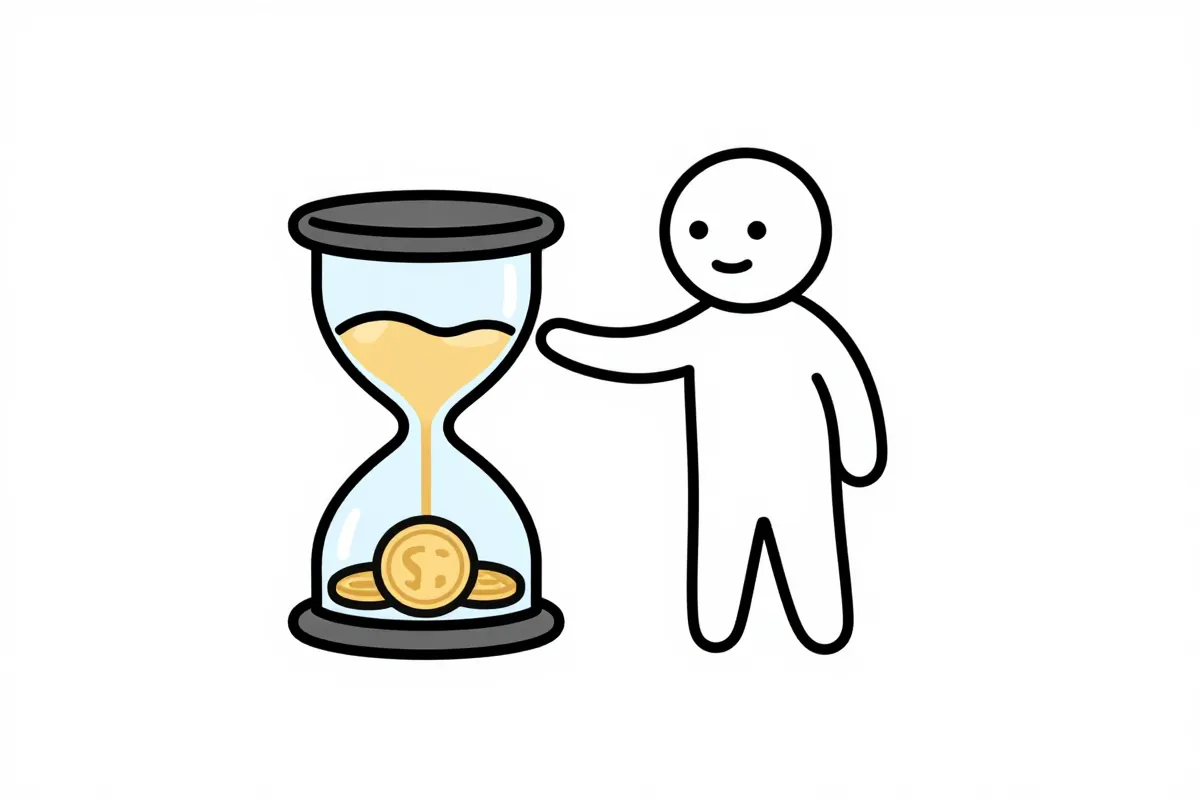
I call this the “Lasso” because it ropes in every extra dollar. You still follow a primary plan (snowball or avalanche), but you add micro-powers: rounding up debit purchases to the next dollar, using cash-back rewards as payments, and applying any windfall—tax refunds, bonuses, birthday cash—directly to debt.
An anecdote: In 2025, I challenged myself to a “no-spend weekend” every month and funneled the $80-$120 saved into my debt. Over a year, that alone wiped out $1,400. The Lasso is less a standalone method and more a turbocharger for your chosen debt repayment plans.
Creative Lasso Ideas for 2026
Sell unused gadgets on Facebook Marketplace or Swappa.
Use gig apps like TaskRabbit for one-off errands.
Negotiate lower bills (cable, insurance) and redirect the difference.
6. The Debt Stacking Strategy: A Blended Approach
Stacking means you combine elements from multiple plans. For instance, start with a balance transfer to freeze interest, then use the avalanche on remaining debts, and finally lasso extra cash. This requires a budget and maybe a spreadsheet, but it’s highly effective for complex situations.
My own journey: I transferred $6,800 to a 0% card, avalanched my 26% card, and snowballed the small leftover medical bills simultaneously. Was it complicated? A bit. But I cleared $38,000 in 34 months. The key is writing down your custom sequence and reviewing it monthly.
If you have multiple debt types (credit, personal, auto), stacking gives you flexibility without relying on a single rigid rule.
7. Financial Windfall and Professional Help
Sometimes, DIY isn’t enough. In 2026, nonprofit credit counseling agencies offer debt management plans (DMPs) that negotiate lower interest rates with creditors. You make one monthly payment to the agency, and they distribute it. This isn’t debt settlement or bankruptcy—it’s a structured repayment plan that protects your credit.
For example, GreenPath Financial Wellness helped a client reduce her rates from an average of 24% to 9% on $30,000 of credit card debt. She’ll be debt-free in four years with a $730 monthly payment. Always vet agencies through the NFCC or FCAA.
When to Seek a Debt Coach or Credit Counselor
You’re unsure which plan fits your life.
You’ve tried and failed multiple times.
You face wage garnishment or collections.
Professional guidance isn’t a failure—it’s a strategic move.
Putting It All Together: Choose Your 2026 Debt Repayment Plan
So, which one is right for you? Start with your personality. Need quick wins? Snowball. Love math? Avalanche. Have great credit and a concrete payoff timeline? Balance transfer. Overwhelmed with many debts? Consolidation or stacking. The best debt repayment plans are the ones you’ll actually stick with.
I always recommend a 30-day test. Pick a method, apply it religiously, and track how you feel. Adjust if needed. The only mistake is staying still. Interest doesn’t pause while you ponder.
Beyond the Plan: Habits That Supercharge Results
No debt repayment plan survives without solid habits. In 2026, automation is your best friend. Set up automatic transfers to debt the day after payday. Use a budgeting app like YNAB or EveryDollar to give every dollar a job. And keep a visual tracker on your fridge—humans are visual creatures.
Also, forgive yourself. You didn’t get into debt overnight, and you won’t get out instantly. Celebrate milestones, even small ones. A $1,000 paid-off chunk deserves a pat on the back (just not an expensive one).
Common Pitfalls to Avoid in 2026
Ignoring the emergency fund: Even $500 prevents new debt when life happens.
Closing old accounts immediately: It can lower your credit age and score. Keep them open but cut up the cards.
Paying off low-interest debt first: It feels good but costs more in the long run.
Not revisiting your plan: Every three months, adjust for income changes or new debts.
Remember, you’re not just paying off numbers—you’re buying back your future.
Real-Life Results: Quick Case Studies
Case 1: Emily, 32, used the snowball to eliminate $12,000 in credit cards over 18 months. She said, “Seeing that first zero balance gave me the high I needed to keep going.”
Case 2: Marcus, 45, combined avalanche with a balance transfer, clearing $25,000 in 24 months and saving $3,700 in interest. He’s now investing the former payment amount.
These folks aren’t special. They just picked a plan and pushed through the boredom.
Frequently Overlooked Tools and Resources
Undebt.it: A free web tool that lets you compare snowball vs avalanche payoff timelines.
Credit Karma: Monitor your score for free; better credit means more options for consolidation.
Local credit unions: Often have loan products with rates 2-3% lower than big banks.
When is Professional Help a Must?
If your debt-to-income ratio is above 40%, or you’re struggling to afford minimums, contact a nonprofit credit counselor within the next 48 hours. In 2026, agencies offer virtual sessions and can quickly review your finances. You’re not alone, and the problem won’t fix itself.
Also, explore income-driven repayment for federal student loans. The SAVE plan can cap payments at 5-10% of discretionary income. That frees up cash for high-interest debt.
Your 2026 Debt-Free Action Plan
List all debts with balances, rates, and minimums.
Pick your primary method from the 7 above.
Set a realistic monthly payment goal and automate it.
Apply the Lasso for extra firepower.
Check progress every 30 days and adjust.
Celebrate wins without spending money.
The next 12 months will pass anyway. Where do you want your finances to be? With the right debt repayment plans, you can be lighter, freer, and smiling more by mid-2027. I’m rooting for you.
Sources
- NerdWallet – Debt Payoff Strategies
- Bankrate – How to Pay Off Debt
- CFPB – Debt Repayment Resources


